




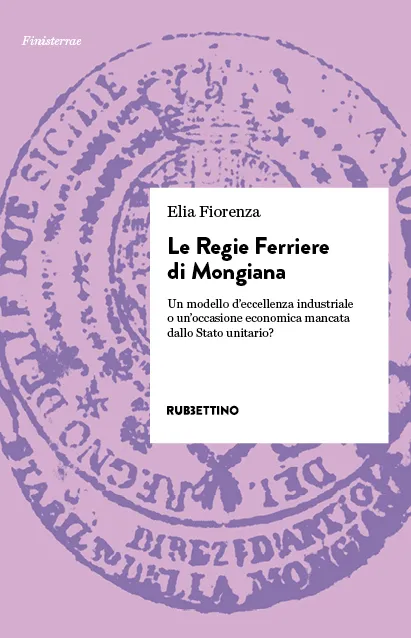
Le Regie Ferriere di Mongiana
Un modello d'eccellenza industriale o un'occasione economica mancata dallo Stato unitario?
The Mongiana ironworks complex in Calabria represents an emblematic example of Italian industrial evolution. Originally with limited production and archaic methods, the center underwent significant transformations thanks to the adoption of techniques practiced in Central Europe. This led to more efficient use of blast furnaces and production rationalization. During the French rule, the complex saw further technological and social improvements for workers, as well as infrastructural expansion. The Bourbon era continued on this path of modernization, introducing innovative production methodologies. After the unification of Italy, Mongiana gained recognition for the quality of its products, but soon after began its decline. The sale in 1864 and subsequent social tensions preceded the transfer of the plants to Achille Fazzari, who was unable to reverse the trend. The final closure was dictated by a shift in industrial theories favoring plants near the sea rather than in mountainous areas. This "iron district" is not only a testament to the Calabrian industry but also symbolizes the challenges faced by local communities in adapting to the national industrial context. Its history is intrinsically linked to the political and social vicissitudes of Italy, from the Bourbon period to the birth of the Unification of Italy, representing a significant chapter in the country's industrial history.